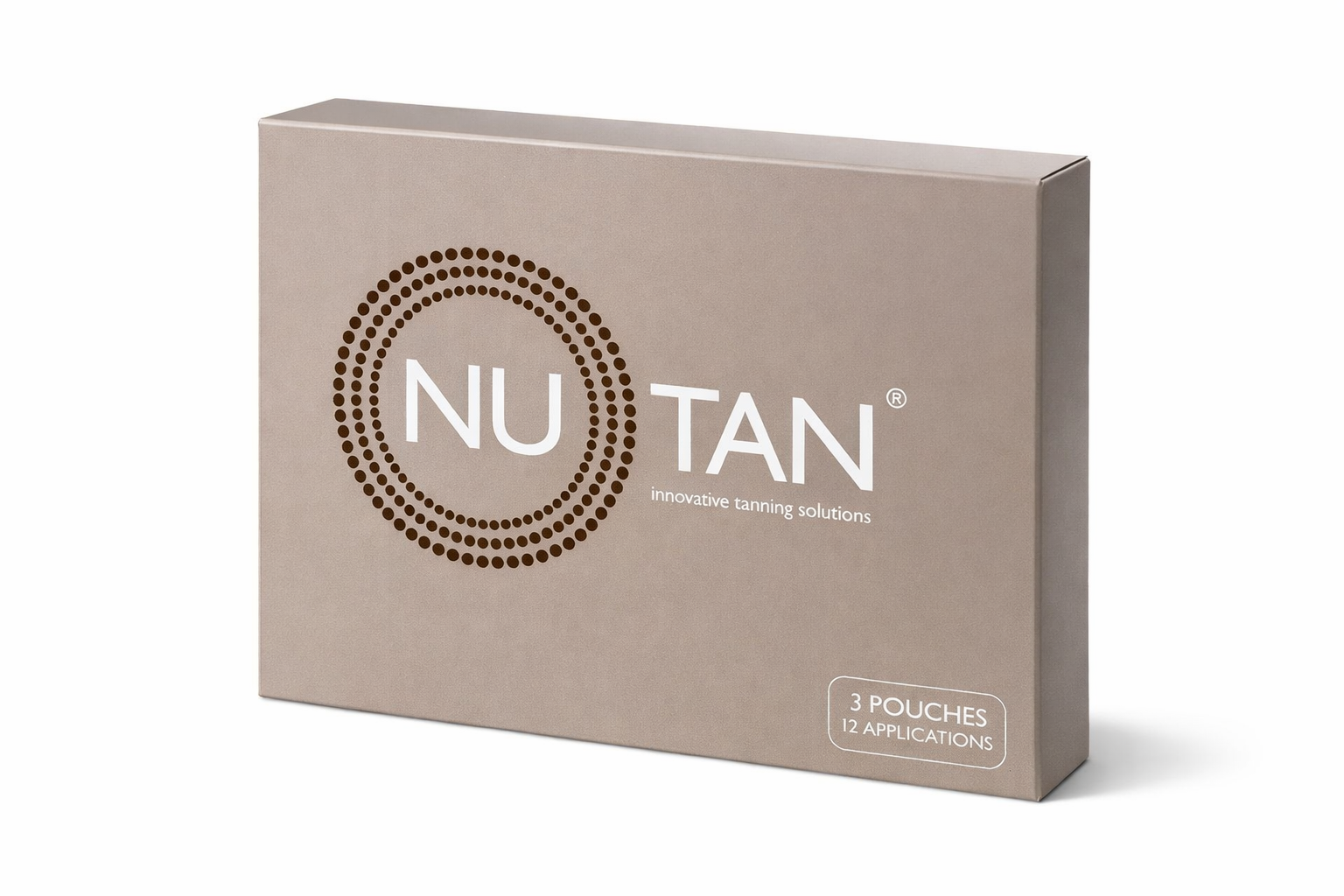

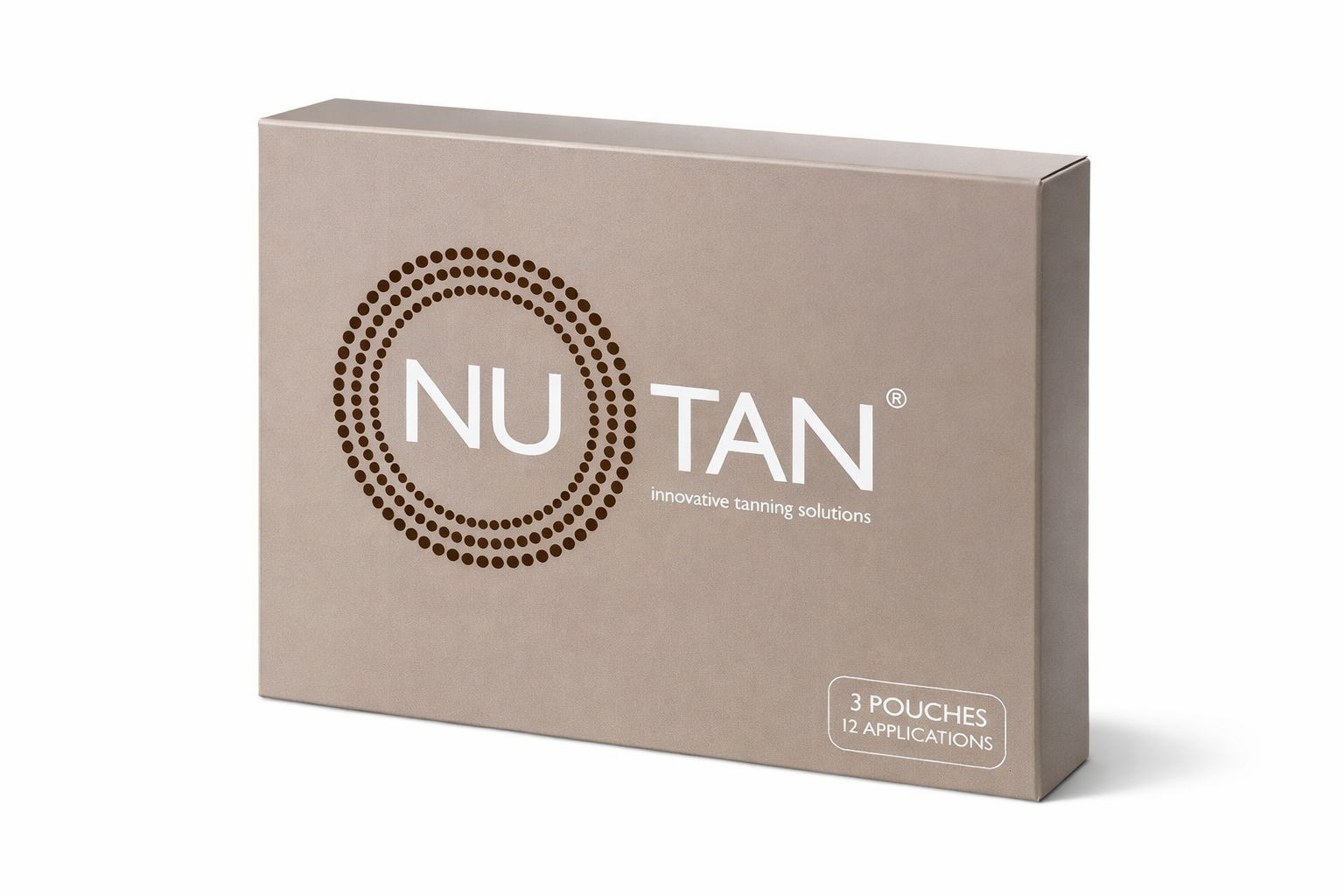

Jump to the most useful pages—then come back and read this page’s details below.
Quick links to popular products—browse the full store when you’re ready.
Note: This guide is for educational purposes and best-practice routines. Always follow the product label, patch test where appropriate, and stop use if irritation occurs.
If you want better outcomes with Best Tanning Patches, treating the tan like a routine: repeatable steps, not a one‑time event. The “best” choice is the option that matches your goal (results, comfort, value) and your willingness to follow the routine for at least a week or two. That’s why the sections below focus on repeatable steps you can follow every time.
Quick link: This post supports Best Tanning Patches. For a faster overview, start on the hub: https://www.nu-tan.net/shop/all-products/.
When it comes to Best Tanning Patches, building colour gradually rather than trying to force a darker result in one session. Comfort is a real performance factor: if something feels harsh, most people quit early—so a gentler option you can stick with often wins long term. If you only change one thing, start with the “avoid these mistakes” checklist in this guide.
If you want better outcomes with Best Tanning Patches, avoiding friction from tight clothing, keeping the area dry during wear time, and moisturising dry zones like elbows and knees. The “best” choice is the option that matches your goal (results, comfort, value) and your willingness to follow the routine for at least a week or two. That’s why the sections below focus on repeatable steps you can follow every time.
When it comes to Best Tanning Patches, treating the tan like a routine: repeatable steps, not a one‑time event. Results vary by skin type and habits, but consistent use plus sensible aftercare typically creates a noticeably more even look than random usage. That’s why the sections below focus on repeatable steps you can follow every time.
A practical way to think about Best Tanning Patches is this: building colour gradually rather than trying to force a darker result in one session. A good routine has a beginning (prep), a middle (correct use), and an end (aftercare). Skipping any one of these usually creates the exact issue people complain about. That’s why the sections below focus on repeatable steps you can follow every time.
Related: Best Tanning Patches (the page this post supports).
If you want better outcomes with Best Tanning Patches, avoiding friction from tight clothing, keeping the area dry during wear time, and moisturising dry zones like elbows and knees. Results vary by skin type and habits, but consistent use plus sensible aftercare typically creates a noticeably more even look than random usage. If you only change one thing, start with the “avoid these mistakes” checklist in this guide.
A practical way to think about Best Tanning Patches is this: building colour gradually rather than trying to force a darker result in one session. If you’re buying online, compare pack sizes and bundle value so your routine stays consistent (running out mid‑routine is a common cause of inconsistent results). This is also why internal linking matters—you can jump from education to the exact product/page when you’re ready.
If you want better outcomes with Best Tanning Patches, building colour gradually rather than trying to force a darker result in one session. Comfort is a real performance factor: if something feels harsh, most people quit early—so a gentler option you can stick with often wins long term. That’s why the sections below focus on repeatable steps you can follow every time.
Most people get the best results from Best Tanning Patches when building colour gradually rather than trying to force a darker result in one session. The “best” choice is the option that matches your goal (results, comfort, value) and your willingness to follow the routine for at least a week or two. This is also why internal linking matters—you can jump from education to the exact product/page when you’re ready.
Related: Best Tanning Patches (the page this post supports).
If you want better outcomes with Best Tanning Patches, treating the tan like a routine: repeatable steps, not a one‑time event. A good routine has a beginning (prep), a middle (correct use), and an end (aftercare). Skipping any one of these usually creates the exact issue people complain about. If you only change one thing, start with the “avoid these mistakes” checklist in this guide.
A practical way to think about Best Tanning Patches is this: building colour gradually rather than trying to force a darker result in one session. Comfort is a real performance factor: if something feels harsh, most people quit early—so a gentler option you can stick with often wins long term. In other words: simple, consistent routines usually beat complicated hacks.
A practical way to think about Best Tanning Patches is this: avoiding friction from tight clothing, keeping the area dry during wear time, and moisturising dry zones like elbows and knees. The “best” choice is the option that matches your goal (results, comfort, value) and your willingness to follow the routine for at least a week or two. In other words: simple, consistent routines usually beat complicated hacks.
If you want better outcomes with Best Tanning Patches, avoiding friction from tight clothing, keeping the area dry during wear time, and moisturising dry zones like elbows and knees. Results vary by skin type and habits, but consistent use plus sensible aftercare typically creates a noticeably more even look than random usage. This is also why internal linking matters—you can jump from education to the exact product/page when you’re ready.
Related: Best Tanning Patches (the page this post supports).
If you want better outcomes with Best Tanning Patches, treating the tan like a routine: repeatable steps, not a one‑time event. Comfort is a real performance factor: if something feels harsh, most people quit early—so a gentler option you can stick with often wins long term. This is also why internal linking matters—you can jump from education to the exact product/page when you’re ready.
If you want better outcomes with Best Tanning Patches, building colour gradually rather than trying to force a darker result in one session. The “best” choice is the option that matches your goal (results, comfort, value) and your willingness to follow the routine for at least a week or two. This is also why internal linking matters—you can jump from education to the exact product/page when you’re ready.
Most people get the best results from Best Tanning Patches when avoiding friction from tight clothing, keeping the area dry during wear time, and moisturising dry zones like elbows and knees. A good routine has a beginning (prep), a middle (correct use), and an end (aftercare). Skipping any one of these usually creates the exact issue people complain about. If you only change one thing, start with the “avoid these mistakes” checklist in this guide.
A practical way to think about Best Tanning Patches is this: building colour gradually rather than trying to force a darker result in one session. Results vary by skin type and habits, but consistent use plus sensible aftercare typically creates a noticeably more even look than random usage. If you only change one thing, start with the “avoid these mistakes” checklist in this guide.
Related: Best Tanning Patches (the page this post supports).
Follow the product’s directions. In general, gentle washing and minimal friction helps results last longer.
Results vary, but most people notice more settled colour within 24–48 hours when they follow prep and aftercare consistently.
Moisturise daily, avoid exfoliating too aggressively, and limit friction on high-wear areas.
Start on the hub page: tanning options, then use the product link in this article.
Prep dry areas, keep placement consistent, and moisturise after the recommended window. Avoid harsh scrubs early.
Patch test first. If you have adhesive sensitivity or irritation, stop use and choose gentler options.
Use these internal links to continue your journey:
Reminder: The fastest way to improve results is to reduce variables—follow one routine consistently before you judge outcomes.
When comparing alternatives, don’t only compare ‘strength’. Compare usability: how likely are you to do it correctly and consistently?
If you’re not getting the results you expected, don’t immediately switch products. First check the basics: prep, timing, placement, and aftercare. Most issues trace back to one of these.
If you’re shopping online, check the pack size and how many uses you’ll get. A routine you can maintain for 2–4 weeks tends to outperform a ‘strong’ option you stop after three tries.
In the UK, lifestyle factors (heating, dry indoor air, frequent showering) can affect how skin looks and feels. Hydration and gentle care often make the biggest visible difference.
Keep notes for one week: what you used, when you used it, and what you noticed. This makes it easier to troubleshoot and prevents you from repeating the same mistake.
If you’re sensitive, start slowly and prioritise comfort. A gentler plan you actually follow is more effective long-term than a harsh plan you abandon.
If you’re not getting the results you expected, don’t immediately switch products. First check the basics: prep, timing, placement, and aftercare. Most issues trace back to one of these.
If you want to save money, bundles can help—but only if the products fit your routine. Otherwise you end up with items you don’t use.
If you’re not getting the results you expected, don’t immediately switch products. First check the basics: prep, timing, placement, and aftercare. Most issues trace back to one of these.
If you want to save money, bundles can help—but only if the products fit your routine. Otherwise you end up with items you don’t use.
If you’re sensitive, start slowly and prioritise comfort. A gentler plan you actually follow is more effective long-term than a harsh plan you abandon.
Look for simple consistency wins: setting a reminder, keeping the product in the same place, and using the same steps each time.
Don’t underestimate aftercare: moisturising and avoiding friction can be the difference between a clean result and a patchy fade.
If you’re not getting the results you expected, don’t immediately switch products. First check the basics: prep, timing, placement, and aftercare. Most issues trace back to one of these.
In the UK, lifestyle factors (heating, dry indoor air, frequent showering) can affect how skin looks and feels. Hydration and gentle care often make the biggest visible difference.
When comparing alternatives, don’t only compare ‘strength’. Compare usability: how likely are you to do it correctly and consistently?
A helpful mindset is to treat your routine like a process: you’re not just buying a product, you’re building a repeatable system that you can do on autopilot.
Keep notes for one week: what you used, when you used it, and what you noticed. This makes it easier to troubleshoot and prevents you from repeating the same mistake.
If you’re sensitive, start slowly and prioritise comfort. A gentler plan you actually follow is more effective long-term than a harsh plan you abandon.
A helpful mindset is to treat your routine like a process: you’re not just buying a product, you’re building a repeatable system that you can do on autopilot.
Don’t underestimate aftercare: moisturising and avoiding friction can be the difference between a clean result and a patchy fade.
Don’t underestimate aftercare: moisturising and avoiding friction can be the difference between a clean result and a patchy fade.
If you want to save money, bundles can help—but only if the products fit your routine. Otherwise you end up with items you don’t use.
Don’t underestimate aftercare: moisturising and avoiding friction can be the difference between a clean result and a patchy fade.
If you’re not getting the results you expected, don’t immediately switch products. First check the basics: prep, timing, placement, and aftercare. Most issues trace back to one of these.
If you want to save money, bundles can help—but only if the products fit your routine. Otherwise you end up with items you don’t use.
If you’re shopping online, check the pack size and how many uses you’ll get. A routine you can maintain for 2–4 weeks tends to outperform a ‘strong’ option you stop after three tries.
Don’t underestimate aftercare: moisturising and avoiding friction can be the difference between a clean result and a patchy fade.
In the UK, lifestyle factors (heating, dry indoor air, frequent showering) can affect how skin looks and feels. Hydration and gentle care often make the biggest visible difference.
If you’re not getting the results you expected, don’t immediately switch products. First check the basics: prep, timing, placement, and aftercare. Most issues trace back to one of these.
Keep notes for one week: what you used, when you used it, and what you noticed. This makes it easier to troubleshoot and prevents you from repeating the same mistake.
Keep notes for one week: what you used, when you used it, and what you noticed. This makes it easier to troubleshoot and prevents you from repeating the same mistake.
A helpful mindset is to treat your routine like a process: you’re not just buying a product, you’re building a repeatable system that you can do on autopilot.
Keep notes for one week: what you used, when you used it, and what you noticed. This makes it easier to troubleshoot and prevents you from repeating the same mistake.
When comparing alternatives, don’t only compare ‘strength’. Compare usability: how likely are you to do it correctly and consistently?
If you’re sensitive, start slowly and prioritise comfort. A gentler plan you actually follow is more effective long-term than a harsh plan you abandon.
A helpful mindset is to treat your routine like a process: you’re not just buying a product, you’re building a repeatable system that you can do on autopilot.
Look for simple consistency wins: setting a reminder, keeping the product in the same place, and using the same steps each time.
Look for simple consistency wins: setting a reminder, keeping the product in the same place, and using the same steps each time.
In the UK, lifestyle factors (heating, dry indoor air, frequent showering) can affect how skin looks and feels. Hydration and gentle care often make the biggest visible difference.
If you’re sensitive, start slowly and prioritise comfort. A gentler plan you actually follow is more effective long-term than a harsh plan you abandon.
When comparing alternatives, don’t only compare ‘strength’. Compare usability: how likely are you to do it correctly and consistently?
If you’re shopping online, check the pack size and how many uses you’ll get. A routine you can maintain for 2–4 weeks tends to outperform a ‘strong’ option you stop after three tries.
A helpful mindset is to treat your routine like a process: you’re not just buying a product, you’re building a repeatable system that you can do on autopilot.
In the UK, lifestyle factors (heating, dry indoor air, frequent showering) can affect how skin looks and feels. Hydration and gentle care often make the biggest visible difference.
In the UK, lifestyle factors (heating, dry indoor air, frequent showering) can affect how skin looks and feels. Hydration and gentle care often make the biggest visible difference.
If you’re sensitive, start slowly and prioritise comfort. A gentler plan you actually follow is more effective long-term than a harsh plan you abandon.
Keep notes for one week: what you used, when you used it, and what you noticed. This makes it easier to troubleshoot and prevents you from repeating the same mistake.
Quick answers about shopping, usage, and support.
Shop your category, read the guides, or message support if you want help choosing.