
Collagen Boosting Face Cream: Expert Tips to Get Better Results (Without Mistakes)
A simple guide—follow the steps, keep it consistent, and track results.
Start Here
Jump to the most useful pages—then come back and read this page’s details below.
Tanning
NuTan patches + coconut tan gel routine.
Open page →
Teeth Whitening
NuSmile kits, strips, powders & V34.
Open page →
Anti Ageing
NuRejuv eye + face essentials.
Open page →
Guides & Tips
Checklists, timelines, how‑to guides.
Open page →
FAQs
Shipping, usage, and common questions.
Open page →
Need help choosing?
Message support and we’ll help.
Open page →
Popular Picks
Quick links to popular products—browse the full store when you’re ready.
Details
Skincare disclaimer: This guide is educational and not medical advice. Skincare results vary by skin type and consistency. Patch test new products and consult a dermatologist if you have a skin condition or persistent irritation.
Collagen Boosting Face Cream: Expert Tips to Get Better Results (Without Mistakes)
The phrase Collagen boosting face cream is searched constantly because people want a simple outcome: smoother-looking skin, a firmer appearance, and a routine that’s easy to maintain. The problem is that many routines fail—not because the product is “bad,” but because application, layering, and lifestyle habits sabotage results.
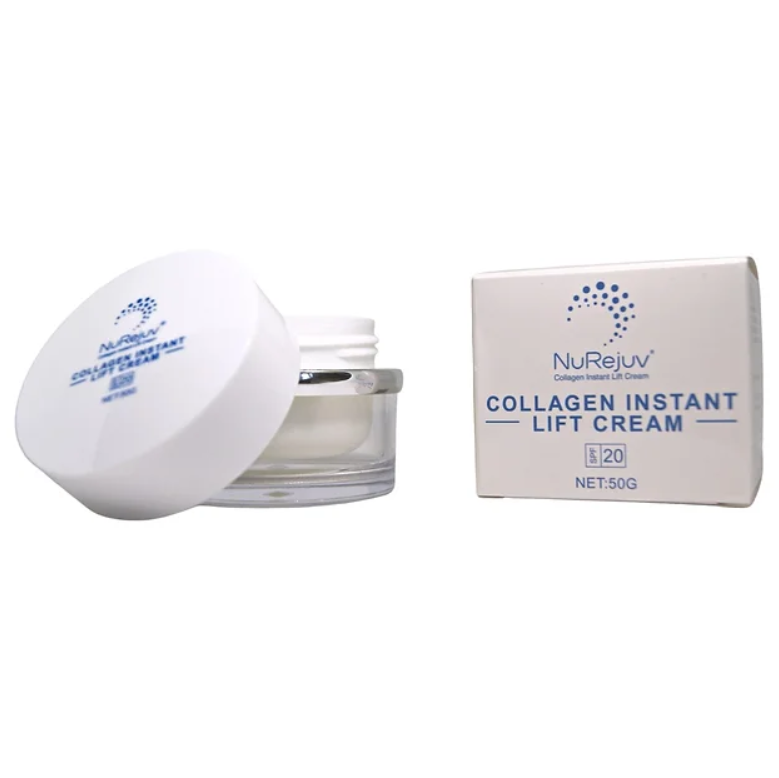
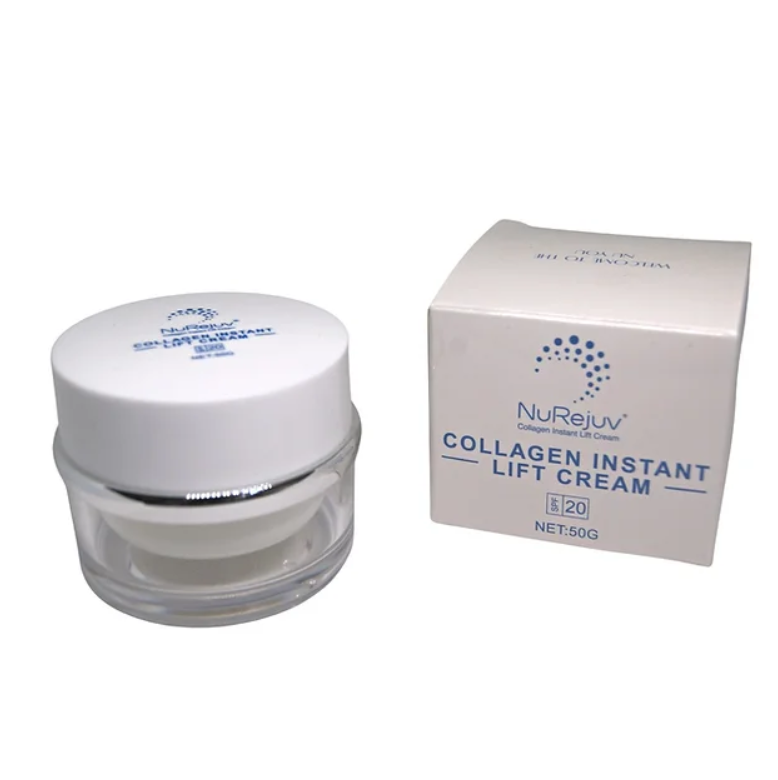
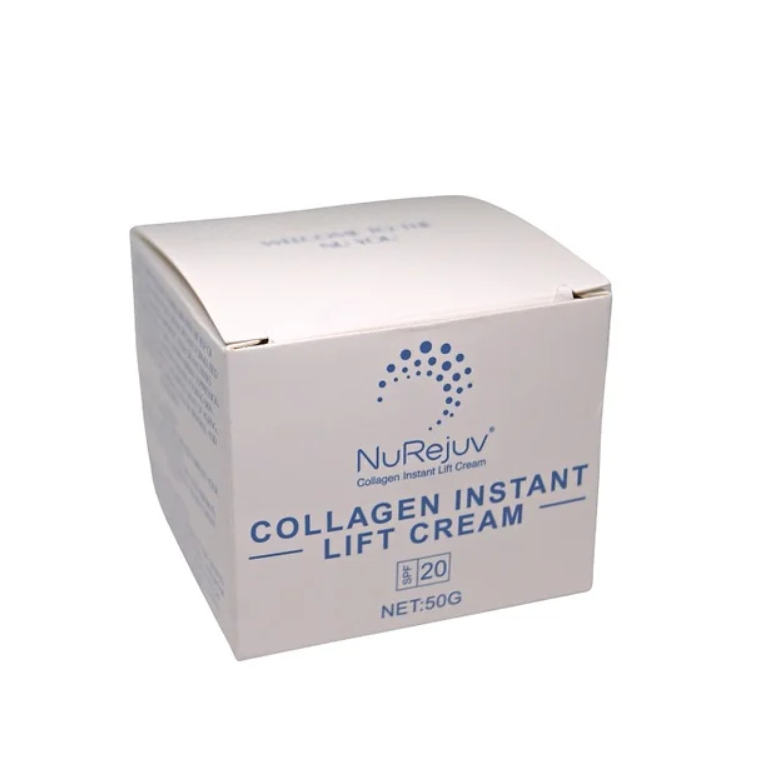
In this guide you’ll get practical, expert-style tips for getting more out of an Instant face lift cream and how to use a collagen-focused routine without common mistakes. This post supports: Nurejuv Collagen Lift Face Cream.
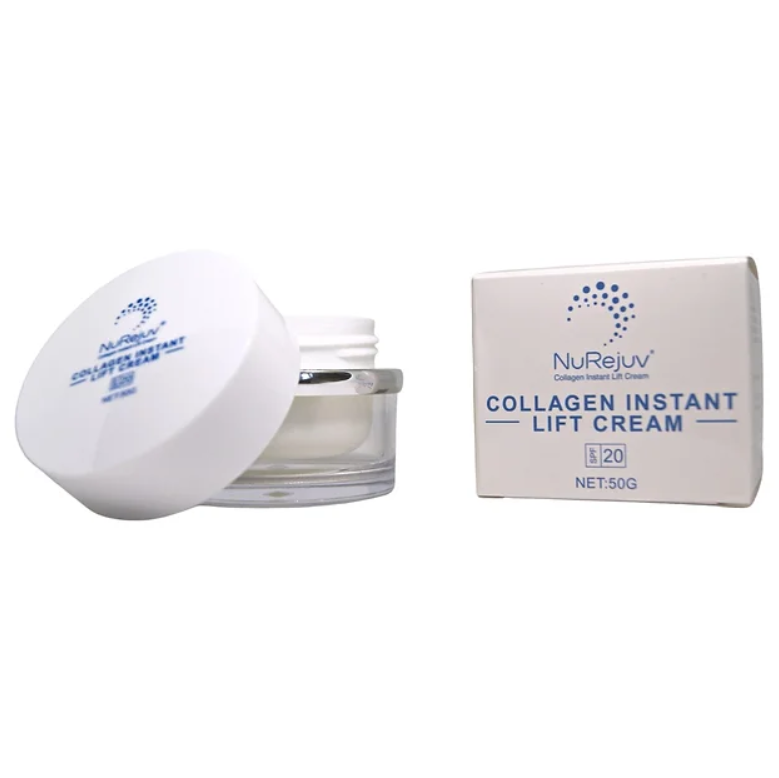
Table of Contents
- Quick answer: what “instant lift” really means
- Expert tips (15+ practical tips)
- AM/PM routine templates
- Pairing with serums and other actives (without irritation)
- Mistakes that reduce results
- FAQ
Quick answer: what “instant lift” really means
Most “instant lift” results come from a combination of:
- Hydration and plumping (well-hydrated skin reflects light more evenly)
- Temporary smoothing (a smoother surface can look firmer in photos and daylight)
- Longer-term support when you use compatible actives consistently
In other words: instant = “looks better now,” and consistent use = “looks better over time.”
Collagen 101: what it is (and what skincare can realistically do)
Collagen is a structural protein that helps give skin its supportive, “bouncy” feel. Over time, factors like sun exposure, lifestyle, and natural ageing can contribute to changes in how firm and smooth skin looks. This is why “collagen” is such a major skincare topic.
It’s also where marketing gets confusing. A topical Collagen boosting face cream is best thought of as a tool to:
- support a hydrated, smoother surface (so skin reflects light more evenly)
- work as part of a routine that includes habits known to protect collagen appearance (especially SPF)
- pair with compatible actives over time (when tolerated)
What a cream typically cannot do is instantly “rebuild” deep structural collagen in a way that changes bone structure or creates a facelift effect. The real win is: better texture, better hydration, better comfort, and a more even, plump look.
How to adapt your routine by skin type
One reason people struggle with “lift” creams is applying the same routine to every skin type. Use this guide to adjust without overcomplicating:
| Skin type | Best routine approach | Common mistake |
|---|---|---|
| Dry | Hydrating serum + cream, gentle cleansing | Over-exfoliating to “remove flakes” and causing irritation |
| Oily | Use a lighter amount, focus on even layer | Skipping moisturiser entirely (can worsen oil imbalance) |
| Combination | Normal amount on dry zones, lighter on T-zone | Using too much everywhere and getting pilling |
| Sensitive | Introduce slowly, avoid stacking strong actives | Starting too many new products at once |
Application technique: the 60-second method
Technique can change how a product looks under makeup and in daylight. Try this:
- Warm a small amount between fingers.
- Press gently into cheeks, forehead, and jaw (don’t aggressively rub).
- Bring product down to the neck with upward strokes.
- Wait 60–90 seconds before applying makeup or SPF (helps reduce pilling).
This “press then smooth” method often looks more even than quick rubbing—especially on textured or dehydrated skin.
Weekly routine planner (simple and sustainable)
If your skincare is inconsistent, a weekly plan can help. Here’s a simple structure many people can maintain:
- Mon/Wed/Fri: Hydration-focused nights (cleanse → serum → cream)
- Tue/Thu: Optional active night (only if tolerated; keep it gentle)
- Sat: Recovery night (barrier-first, minimal routine)
- Sun: Evaluate your skin and reset for the week (no aggressive experiments)
The goal is to make the routine so easy you actually do it.
Myth-busting: collagen creams edition
Myth: “If it tingles, it’s lifting.”
Truth: Tingling often means irritation. A comfortable routine is more sustainable and usually looks better.
Myth: “More products = faster results.”
Truth: More products often = more irritation. Build slowly.
Myth: “You don’t need SPF if you use anti-ageing creams.”
Truth: SPF is one of the most important habits for maintaining the look of youthful skin.
Myth: “You should exfoliate daily to keep skin smooth.”
Truth: Daily exfoliation can damage the barrier for many skin types. Gentle and occasional is usually better.
How to track results without obsessing
Tracking results makes skincare feel more real. Keep it simple:
- Take one “before” photo in daylight.
- Use the same routine consistently for 4 weeks.
- Compare in the same lighting.
Skin changes are subtle. Consistent lighting prevents you from getting tricked by shadows and phone camera processing.
Expert tips to get better results (without mistakes)
Tip 1: Treat your skin barrier like the foundation
If your barrier is compromised (tightness, stinging, flaking), almost every anti-ageing product performs worse. Prioritise gentle cleansing and consistent moisturising first.
Tip 2: Apply to slightly damp skin (unless your routine says otherwise)
Many people find moisturisers spread more evenly and feel better when skin is slightly damp after cleansing. It can improve the “plump” look by helping hydration.
Tip 3: Use the right amount (more isn’t better)
Using too much can feel greasy and cause pilling under makeup. Start with a moderate amount and add only if needed—especially around the neck where people often under-apply.
Tip 4: Don’t skip your neck (and upper chest if exposed)
Many people focus on the face and forget the neck. If your goal is a lifted look overall, include the neck in a consistent routine.
Tip 5: SPF is part of “collagen support”
If you want a collagen-supporting routine, daily sunscreen matters. Sun exposure is a major driver of visible ageing for many people. A great cream helps—but SPF is the habit that protects results.
Tip 6: Be careful mixing too many actives
Combining strong acids, retinoids, and new creams all at once can cause irritation. Irritation often looks like “the product didn’t work” when the real problem was overload.
Tip 7: Give it enough time to judge
Hydration can look good quickly, but texture changes usually need weeks of consistency. Take a baseline photo and compare in the same lighting at 4–8 weeks.
Tip 8: Use gentle cleansing at night
If you wear sunscreen or makeup, cleanse thoroughly but gently. Harsh cleansing can strip the barrier and make skin look less smooth.
Tip 9: Avoid over-exfoliation
People often exfoliate aggressively to “get glow,” then wonder why their skin looks irritated. Use exfoliation carefully and keep it compatible with your cream and skin type.
Tip 10: Layer products in the right order
A general rule: cleanse → watery serum → treatment → cream → SPF (AM). If you’re using multiple products, give each layer a minute to settle to reduce pilling.
Tip 11: Choose your “one upgrade” and stick to it
If your routine is chaotic, choose one change (like a better moisturiser) and keep everything else stable for a few weeks. You’ll get clearer feedback and better results.
Tip 12: Hydration habits matter (not just the jar)
Dehydration and poor sleep can make skin look dull. You don’t need perfection, but hydration and consistent sleep can improve how your skin looks alongside topical care.
Tip 13: Use makeup-friendly technique if you wear makeup
Apply cream evenly and allow it to absorb before applying makeup. If you get pilling, you may be using too much product or layering too quickly.
Tip 14: If your skin is sensitive, introduce slowly
Use every other night at first, then increase if your skin tolerates it. “Slow and steady” is often the fastest route to good skin.
Tip 15: Don’t ignore the under-eye area—but use a dedicated product if needed
Under-eye skin is thinner and can react differently. If you want a targeted option, consider a dedicated eye serum like NuEyes Instant Eye Lift Serum.
Tip 16: Keep expectations realistic and focused
A good cream can improve the look of hydration, smoothness, and comfort. Deep structural changes are not realistic from topical products alone. The goal is visible improvement, not perfection.
Tip 17: Use an occlusive layer only when you need it
If your skin is very dry, sealing in moisture at night can improve comfort. If you’re oily or acne-prone, keep it lighter. The key is matching the routine to your skin, not copying someone else’s.
Tip 18: If you’re acne-prone, don’t over-apply heavy layers
Acne-prone skin can still benefit from moisturising. Use a moderate amount and keep your routine simple so you can identify what causes breakouts.
Tip 19: Consider your cleanser as part of your results
A harsh cleanser can make skin feel tight and look less smooth. If you’re not seeing results, sometimes the fix is switching to a gentler cleanser rather than buying more “actives.”
Tip 20: Wait between layers to reduce pilling
Pilling (product “rolling up” on the skin) usually comes from applying too much product, layering too quickly, or mixing incompatible textures. Give each layer 60–90 seconds to settle.
Tip 21: Keep your routine stable for 2–3 weeks before changing products
Skin needs time to adapt. Switching products every few days makes it impossible to know what works.
Tip 22: Apply in upward strokes (gentle) on the neck
While you cannot “lift” skin with rubbing, gentle upward application can help you cover the area evenly and avoid tugging.
Tip 23: Don’t forget the jawline and around the mouth
These areas often show dryness and texture. A consistent application pattern helps results look more even.
Tip 24: If you use fragrance or essential oils, keep them away from irritated areas
Some skin types react to fragrance. If your skin is sensitive, keep routines fragrance-light and avoid applying perfume directly on the neck after skincare.
Tip 25: Use a “recovery night” after strong actives
If you use strong acids or retinoids, schedule recovery nights where you only cleanse and moisturise. This helps maintain the barrier and reduces irritation.
Tip 26: Don’t chase “tight” as a success signal
Skin that feels tight is often dehydrated, not lifted. Comfort and hydration tend to look better on camera and in daylight.
Tip 27: Match your routine to seasons
- Winter: more hydration, gentler cleansing, less frequent exfoliation.
- Summer: lighter layers, consistent SPF, cleanse sweat gently.
Tip 28: Build a “makeup-friendly” routine if you wear makeup daily
Use thin layers, allow absorption time, and choose compatible SPF/makeup textures. If makeup separates, it often means too much product underneath or not enough wait time.
Tip 29: Hydrate the under-eye differently than the rest of the face
Under-eye skin can be more sensitive. A dedicated product like NuEyes Instant Eye Lift Serum can be easier to tolerate than heavy layers of face cream near the eye.
Tip 30: Keep a simple “skin diary” for one month
Write down: what you used, how your skin felt, and what you ate/drank (if relevant). It doesn’t need to be perfect—just enough to spot patterns (for example: irritation after a new acid, dryness after over-cleansing).
Troubleshooting: pilling, irritation, and “it’s not working”
Problem: “My cream pills under makeup.”
Fix: Use less product, wait between layers, and avoid rubbing. If your SPF is very silicone-heavy, try letting the cream absorb fully before SPF.
Problem: “My skin looks shiny, not lifted.”
Fix: Use a smaller amount and focus application on dry zones. Sometimes “too much” makes skin look greasy rather than smooth.
Problem: “I feel stinging.”
Fix: Stop and simplify. Use gentle cleanser + moisturiser only for a few days. Reintroduce actives slowly. If stinging persists, consult a dermatologist.
Problem: “I don’t see any difference.”
Fix: Take consistent photos and give it 4–8 weeks. Also check if harsh cleansing or lack of SPF is undoing your progress.
AM/PM routine templates (copy/paste these)
AM routine (simple)
- Gentle cleanse (or rinse)
- Optional hydrating serum
- Nurejuv Collagen Lift Face Cream
- SPF
PM routine (simple)
- Cleanse
- Optional serum (peptides/hydration)
- Nurejuv Collagen Lift Face Cream
Product link: Nurejuv Collagen Lift Face Cream
Pairing with serums and other actives (without irritation)
Many people pair creams with serums for targeted benefits. The key is compatibility.
Hydrating serums
Hydrating serums can boost the plump look and help creams feel better. If you’re sensitive, hydration-first is usually the safest pairing.
Vitamin C (AM)
Vitamin C routines can support brightness. If you use vitamin C, apply it before your cream and follow with SPF.
Retinoids (PM)
Retinoids can be effective but can irritate if rushed. Introduce slowly, and don’t stack too many strong actives at once. If you’re using prescription retinoids, follow dermatologist guidance.
Mistakes that reduce results
- Skipping SPF while chasing “anti-ageing” results
- Over-exfoliating and damaging the barrier
- Using too many products and causing irritation
- Judging too fast without giving it weeks of consistency
- Applying only to the face and neglecting the neck
Quick checklist: collagen-supporting routine in 10 points
- Gentle cleanse (don’t strip skin).
- Hydrate first if you’re dry (simple hydrating serum).
- Apply Nurejuv Collagen Lift Face Cream evenly to face and neck.
- Wait 60–90 seconds before the next layer.
- Use SPF every morning.
- Limit strong exfoliation to what your skin can tolerate.
- Add actives slowly—don’t change everything at once.
- Use recovery nights after strong actives.
- Track results with consistent daylight photos.
- Stay consistent for 4–8 weeks before judging.
Where to buy Nurejuv collagen lift face cream
If you’re ready to try the product this guide supports, buy from the official page to ensure authenticity and the correct instructions: Nurejuv Collagen Lift Face Cream.
To browse the broader range: NuRejuv product category.
More FAQ
Can I use this cream on oily skin?
Yes, many oily skin types still benefit from moisturising. Use a smaller amount and focus on even application rather than heavy layers.
Can I use this with vitamin C?
Often yes. Apply vitamin C first (AM), then your cream, then SPF. If your skin becomes irritated, simplify and reintroduce slowly.
Can I use acids (AHA/BHA) with a collagen boosting face cream?
Many people can, but overdoing acids is a common mistake. Use acids sparingly and include recovery nights so your barrier stays comfortable.
Should I apply this before or after facial oils?
Generally apply creams before oils. Oils can be used as a final step at night if your skin is very dry—use a small amount and avoid if it causes congestion.
Does drinking collagen replace skincare?
Diet and supplements are separate topics. Topical skincare works on the skin surface and barrier. If you take supplements, treat them as complementary, not a replacement for SPF and topical care.
Can I use an instant lift cream around my eyes?
The eye area is delicate. If you’re sensitive, use a dedicated eye product rather than layering face cream too close to the lash line. See: NuEyes Instant Eye Lift Serum.
FAQ
How long until I see results from a collagen boosting face cream?
Hydration improvements can appear quickly, but texture and “firmness look” changes usually need consistent use for weeks. A 4–8 week comparison in consistent lighting is the most honest way to judge.
Can I use an instant face lift cream with retinol?
Often yes, but introduce carefully and avoid irritation. If you’re sensitive, alternate nights or consult a professional if needed.
What should I use with this cream for best results?
Use it as part of a simple routine with gentle cleansing and daily SPF. You can explore the full range here: NuRejuv collection.
Final note: what makes skincare “work” for most people
The most effective routines usually have three qualities:
- Consistency: you do it often enough to matter.
- Compatibility: your products don’t irritate your skin barrier.
- Protection: you use SPF so sun exposure doesn’t undo your effort.
If your routine feels overwhelming, simplify. A gentle cleanse, one high-quality moisturiser, and daily SPF can outperform a complicated 10-step routine that you only do twice a week.
Also remember that skin is influenced by life: stress, sleep, hydration, diet, and climate. You don’t need to be perfect, but if your skin suddenly looks dull, it may be a lifestyle week—not a product failure. Keep your routine steady, focus on barrier comfort, and avoid changing everything at once.
If you ever feel burning, swelling, or persistent redness, stop and consult a professional. Comfort is the baseline for good-looking skin.
Track results with one photo in the same lighting every 2 weeks. Over time, small improvements add up: smoother makeup application, more even tone, and a healthier-looking glow.
Can men use a collagen boosting face cream?
Yes. Skin is skin. If you shave, apply after shaving once the skin is calm (avoid applying immediately after aggressive shaving if you’re prone to irritation).
Should I apply it to hands?
Hands often show dryness and visible ageing. Applying leftover product to hands can support hydration and smoother texture—especially if you also use SPF on hands during the day.
Fastest improvement tip: If you do only two things, do these: apply SPF every morning and stop stripping your skin with harsh cleansers. Those two habits improve the look of texture and tone more than most “extra” steps.
Next step: view the product page here: Nurejuv Collagen Lift Face Cream.
Frequently Asked Questions
Quick answers about shopping, usage, and support.
Where do I shop all products?
Use the Shop page to browse everything.Where can I read guides before buying?
Browse Guides & Tips for checklists, routines, and timelines.I need help choosing—what should I do?
Message support on the Contact page and share your goal.Where are the site FAQs (shipping, etc.)?
Visit FAQs for common questions.Choose Your Next Step
Shop your category, read the guides, or message support if you want help choosing.
