
Jump to the most useful pages—then come back and read this page’s details below.
Quick links to popular products—browse the full store when you’re ready.
Dental disclaimer: This article is educational and not medical advice. Whitening does not replace dental care. If you have gum disease, untreated cavities, persistent pain, or extensive restorations (crowns/veneers), speak to a dentist before whitening.
Search volume for teeth whitening strips uk is huge for a reason: whitening strips are convenient, affordable compared with many in-clinic options, and easy to use at home when done correctly. But the internet is also full of misinformation—especially around sensitivity, enamel “damage,” and unrealistic expectations.
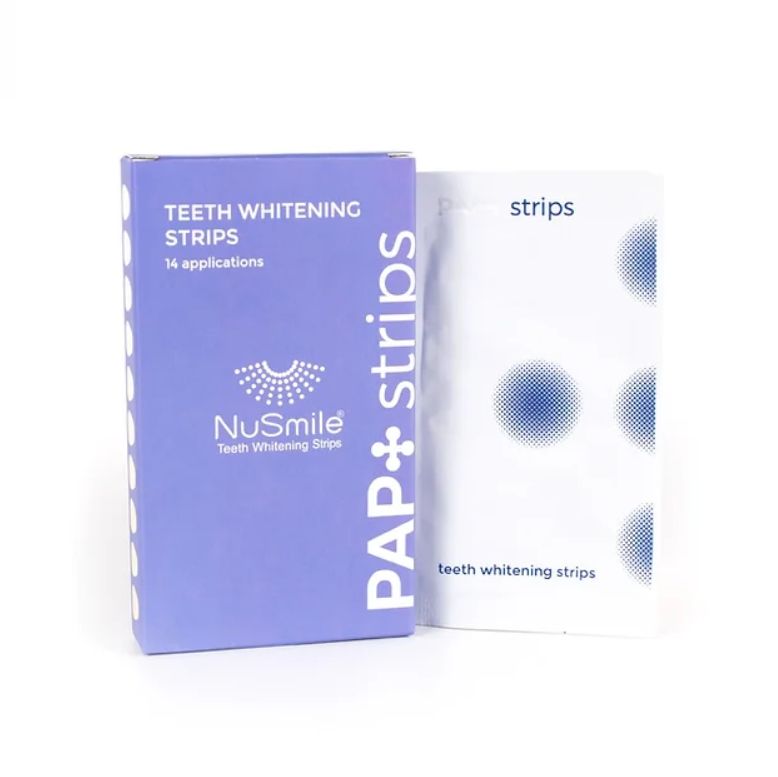
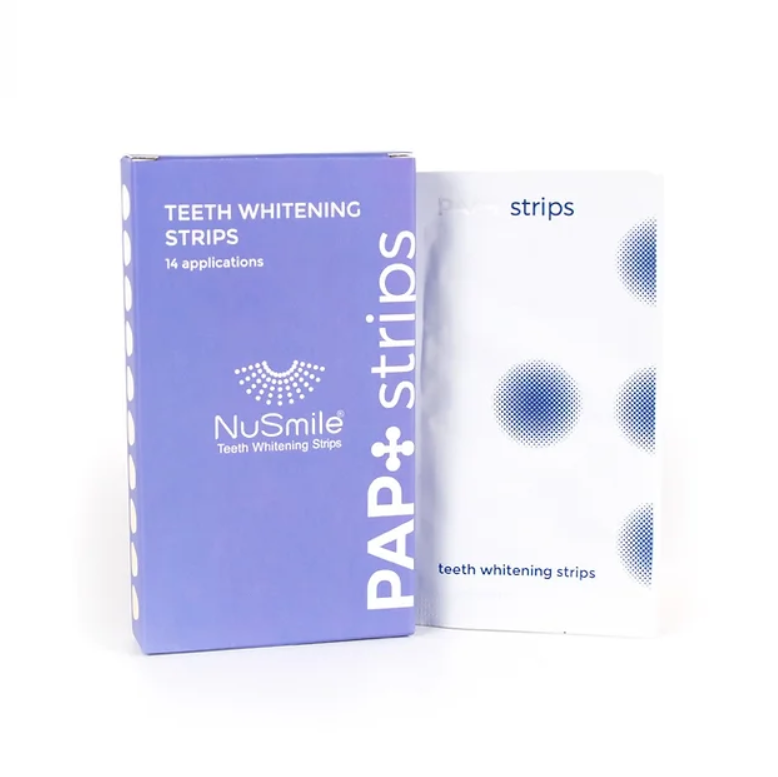
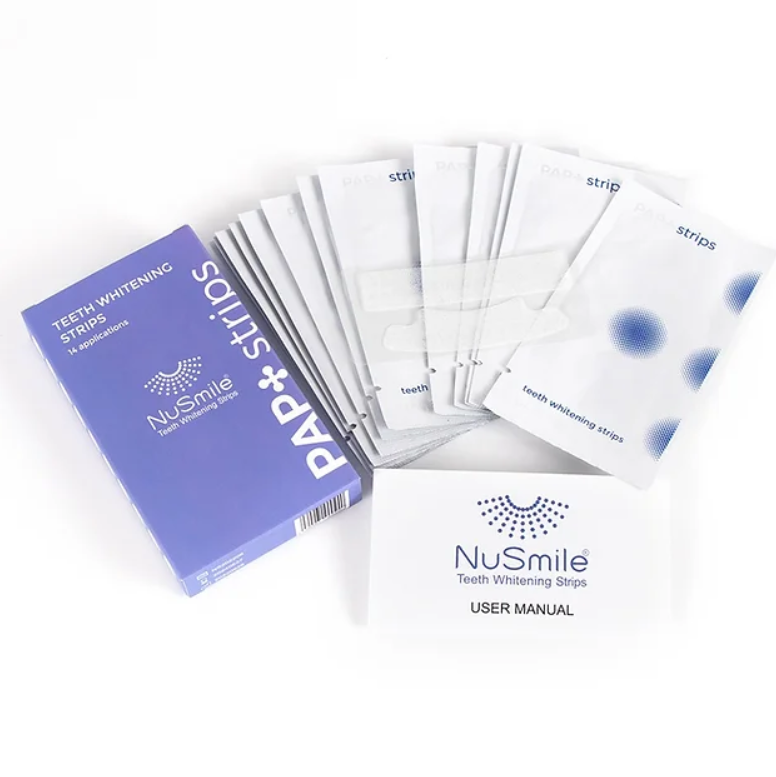
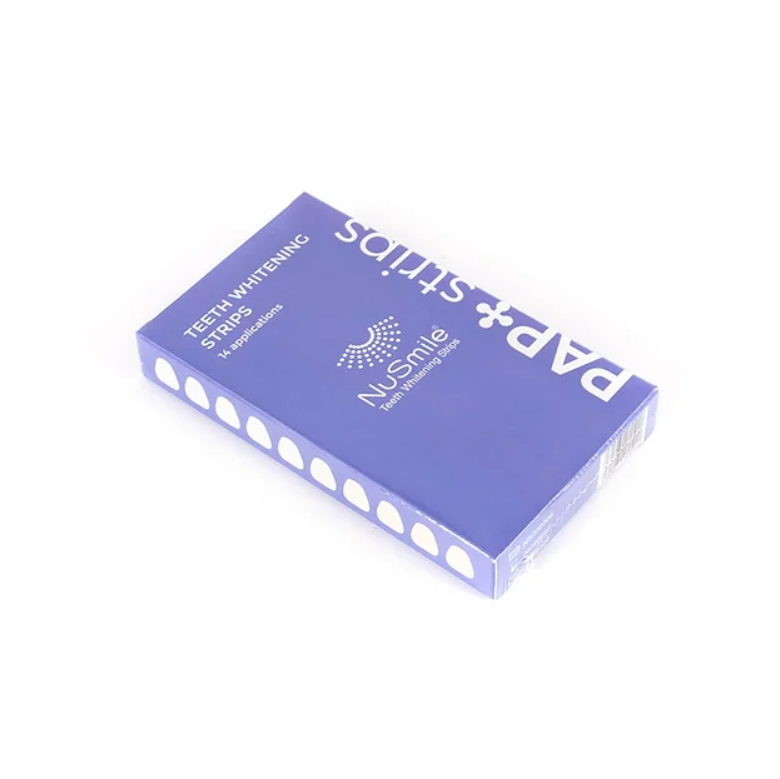
This guide is myth-busting on purpose. You’ll learn what’s true, what’s not, and how to use Teeth Whitening Strips in a way that’s more comfortable and more likely to deliver a satisfying result. If you want to see the exact product page this post supports, visit: Nusmile Pap+ Strips For Sale.
Most people use whitening strips to reduce visible staining and brighten the appearance of natural teeth enamel. Results vary based on:
Important: whitening products do not change the shade of crowns, veneers, fillings, or bonding the same way they change natural enamel. That’s one of the biggest “surprise” points for people new to whitening.
When people research teeth whitening strips uk, they often see two broad approaches:
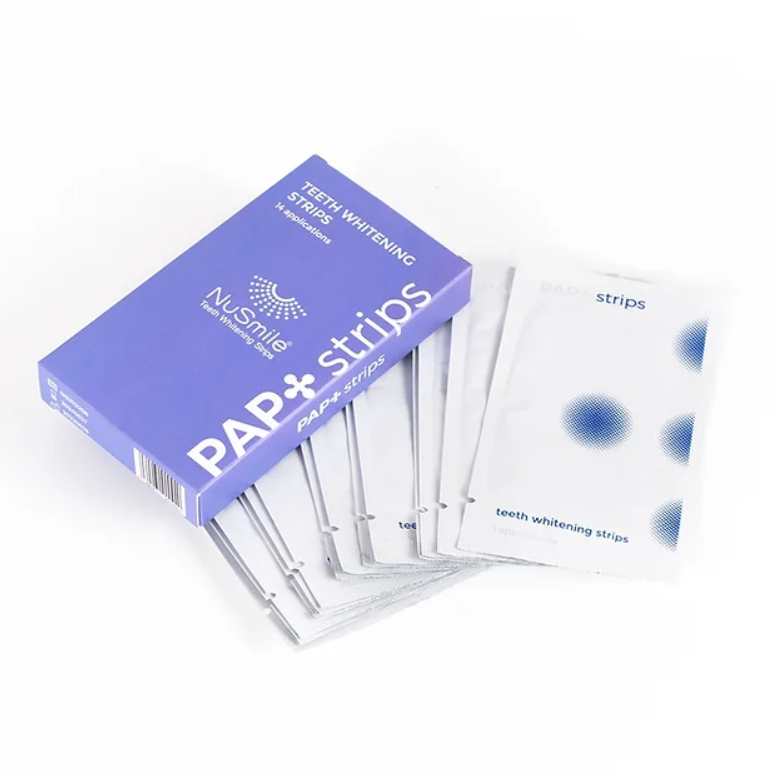
Many people explore PAP options because they want a routine that feels more comfortable—especially if they’ve had sensitivity with stronger whitening in the past. If you’re considering PAP strips, you can view them here: NuSmile PAP+ Teeth Whitening Strips.
Reality: Used as directed, reputable whitening products are designed for cosmetic use. Problems often come from overuse, misuse, or placing product on gums (leading to irritation). If you have enamel wear or sensitivity, a gentler approach and spacing sessions can help—plus professional advice if needed.
Reality: Discomfort is not a success signal. Burning often means the strip is touching your gums or you’re overdoing frequency. Comfort matters because a routine you can stick to usually produces better results than a “strong once” routine you quit after two sessions.
Reality: Formulas differ. So do strip shapes, adhesion, ingredient systems, and how sensitive they feel. If you’ve had a bad experience before, it doesn’t mean strips are “not for you”—it may mean the formula or your technique wasn’t a good match.
Reality: Restorations do not whiten the same way natural teeth do. If you have visible dental work, it’s worth talking to a dentist about what’s realistic so you don’t end up with a mismatch.
Reality: Leaving strips on longer than directed can increase sensitivity and irritation without giving a proportional improvement. Better results come from consistency and correct placement—not rule-breaking.
Reality: Coffee and tea can stain, yes—but you can still maintain a brighter look with smart habits. For example: drink water after coffee, use a straw when possible, and avoid stain-heavy foods for a few hours after whitening sessions.
Reality: Brushing too hard can irritate gums and increase sensitivity. A gentle approach is usually better. Follow your product directions for timing, and keep your brushing technique soft.
Reality: Some people notice a difference quickly, but the best-looking results usually appear over multiple sessions. Expect gradual improvement rather than a dramatic overnight change.
Reality: Some people are naturally more sensitive, but technique and pacing can make a big difference. You can often reduce sensitivity by keeping strips off gums, spacing sessions, and using enamel-care products.
Before you invest in any Teeth Whitening Strips, it helps to know what you’re whitening:
These are stains from coffee, tea, red wine, curry, smoking, and other pigments that sit on the outer surface. Surface stains often respond well to at-home whitening when used consistently.
These can come from age-related changes, medications, trauma, or enamel thinning that reveals more dentin. Intrinsic stains can be harder to shift with any at-home approach and may need professional advice to set realistic goals.
Sometimes teeth look more yellow because enamel is thinner and the underlying dentin shows more. Whitening can still improve appearance, but it’s important to be cautious and avoid overuse. If you suspect enamel wear, consult a dentist.
| Myth | What’s true | What to do instead |
|---|---|---|
| “Longer wear = better” | Overwear increases sensitivity risk | Follow label timing, focus on consistency |
| “Sensitivity = it’s working” | Pain is not a success signal | Improve placement, space sessions |
| “All strips are the same” | Formula + shape + adhesion differ | Choose a routine you can stick with |
| “Whitening changes crowns” | Restorations don’t whiten the same way | Seek dental guidance for shade matching |
Many people get better results with a calm, repeatable routine instead of “strong and chaotic.” Here’s a practical framework:
Use strips as directed by the product. If you get sensitivity, consider spacing sessions if your product allows and your dentist agrees.
You do not need perfection to maintain results. Here are realistic habits that help without ruining your lifestyle:
Follow your product label directions first. Then use these best-practice tips to improve comfort and consistency:
Use a soft brush, gentle pressure, and avoid aggressive scrubbing. The goal is clean teeth, not irritated gums.
Strips adhere better when teeth aren’t overly wet. A quick gentle dry improves placement and reduces slipping.
Gum contact is a major cause of irritation. Align the strip with the tooth surface and avoid placing it directly on the gum line.
This keeps the product in contact and reduces the chance of shifting.
Rinse if needed. Avoid stain-heavy foods for a few hours when possible.
If you want the specific strip option this guide supports, see: Nusmile Pap+ Strips For Sale.
Aftercare is the difference between “I whitened once” and “my smile stays brighter.” Here’s what helps:
Optional internal links (if you’re building a complete routine):
This isn’t about “one is always better.” It’s about matching your sensitivity level and your lifestyle:
Many people who are sensitivity-prone prefer a routine that feels gentler and is easier to stay consistent with. Technique matters more than anything—keeping strips off gums, avoiding overwear, and not stacking multiple whitening products at once.
Start conservative. Your first goal should be learning correct placement and building a routine you can maintain. Going too strong too fast is the most common reason people “quit whitening.”
Start earlier rather than rushing. A calm schedule beats last-minute intensity. Also remember: whitening doesn’t change restorations, so set expectations if you have crowns or bonding visible.
Whitening is cosmetic. If you have any of the following, it’s best to get advice first:
This isn’t to scare you—it’s to prevent a bad experience and help you get the result you want safely.
A realistic expectation is a brighter, cleaner-looking smile—not a filter effect. Your result depends on baseline shade and stain type. Some people see a subtle but meaningful improvement; others see a more dramatic change. The most reliable way to judge is:
People often ask if morning or night is better. Either can work—pick what helps you stay consistent. Consider:
Whitening strips brighten the tooth surface, but the “clean smile” look is heavily influenced by what’s between teeth and along the gum line. Flossing and gentle brushing make whitening look better. If you do nothing else, add consistent flossing for two weeks and compare your smile in photos—you’ll often notice a difference.
Combining methods can work, but stacking too much at once can increase sensitivity. A safer approach is:
If you want a bundled approach, see: NuSmile Home Whitening Bundle.
Sensitivity is usually the #1 reason people quit whitening. Here’s a practical plan that often helps:
Make sure strips aren’t sitting on gums. That alone can reduce irritation dramatically.
If your product allows, spacing sessions (instead of daily) can reduce sensitivity for many people. Consistency matters, but comfort matters too.
Enamel-care products can help some people maintain comfort. If sensitivity is significant or persistent, stop and consult a dentist.
Doing strips + whitening powder + strong toothpaste all at once can increase sensitivity. If you want to combine methods, do it gradually and pay attention to your body.
If you want a simple checklist to follow every time you use strips, use this:
Most “bad whitening experiences” are actually technique problems. Fix technique and you usually get a better result with less discomfort.
When you search for teeth whitening strips uk, you’ll see a mix of marketplaces, resellers, and direct brands. For products that go in your mouth, authenticity matters. Buying direct from the official site reduces the risk of old stock, incorrect storage, or products that aren’t what they claim to be.
If you want the exact strips referenced in this article, you can buy them here: Nusmile Pap+ Strips For Sale. If you prefer browsing, see the full range on the NuSmile collection page.
Some people notice changes quickly, but many see the best improvement after multiple sessions. Lighting matters—check results in consistent natural daylight for the most honest comparison.
Many yellow tones are surface stains and can improve with whitening. Deep intrinsic discolouration may respond differently. If you’re unsure, a dentist can help identify what kind of staining you have.
Some people with sensitivity do better with gentler-feeling approaches and spaced sessions. If you have severe sensitivity, get dental advice first.
For authenticity and proper instructions, buying from the official site is usually the safest option. Visit: Nusmile Pap+ Strips For Sale.
Fix: Dry the front surface of your teeth lightly before applying. Too much saliva or moisture reduces adhesion. Also avoid talking too much during wear time if that shifts the strip.
Fix: Re-check placement—strips should sit on enamel, not on gums. If irritation persists, pause sessions and consider getting dental advice. Do not force through pain.
Fix: Judge in consistent daylight and give it time. Many people also underestimate the impact of daily staining habits. Reduce stain exposure for a few hours after sessions and keep brushing/flossing consistent.
Fix: Uneven results can come from uneven strip placement, plaque, or restorations that don’t whiten. Floss consistently and consider a professional cleaning if you haven’t had one in a while.
If you have orthodontic appliances, speak to your dentist/orthodontist. Whitening around brackets can lead to uneven results once braces are removed.
You don’t have to give it up. Reduce exposure time (don’t sip for hours), rinse with water afterward, and use a straw when possible. Small habits are easier to stick to than extreme restrictions.
A professional cleaning removes plaque and surface buildup, which can make whitening look more even. If you’re planning both, ask your dentist what timing they recommend.
Intrinsic stains may respond less to at-home methods. A dentist can help identify stain type and advise on realistic outcomes.
“Better” depends on your sensitivity and comfort. Many people choose PAP options because they want a peroxide-free routine that feels gentler, especially if they’ve had sensitivity before.
If you want a simple start, strips are straightforward. If you want a more complete routine with supporting products, a bundle can be more convenient. Browse here: NuSmile Home Whitening Bundle.
Whitening strips are one tool. The best results usually come from the system: gentle brushing, daily flossing, smart aftercare, and a product you can use consistently without discomfort. If you treat whitening like a sprint, you’ll often end up with sensitivity. If you treat it like a calm routine, you’ll usually get a better-looking, longer-lasting result.
Take it slow, and your smile will thank you.
Next step: if you want to explore the full collection, visit NuSmile.
Quick answers about shopping, usage, and support.
Shop your category, read the guides, or message support if you want help choosing.

